Ian Smith
When I was about 7 years old, our neighbour handed to me a camera to make use of. I’ve no recollection of what I did with it but perhaps it stimulated an early interest in imaging.
After graduating I spent several decades working with teams which designed and built the world’s first infra-red array cameras, spectrometers and sub-millimeter cameras for the UK telescopes in Hawai’i.
In parallel to this, I acquired an Olympus OM20 and a few lenses in the 1980’s and took an overwhelming number of mediocre photographs, including self-developed black & white ones. These days, with the children grown up and moved out, I have been able to update my photography kit with a couple of Canon DSLRs and lenses.
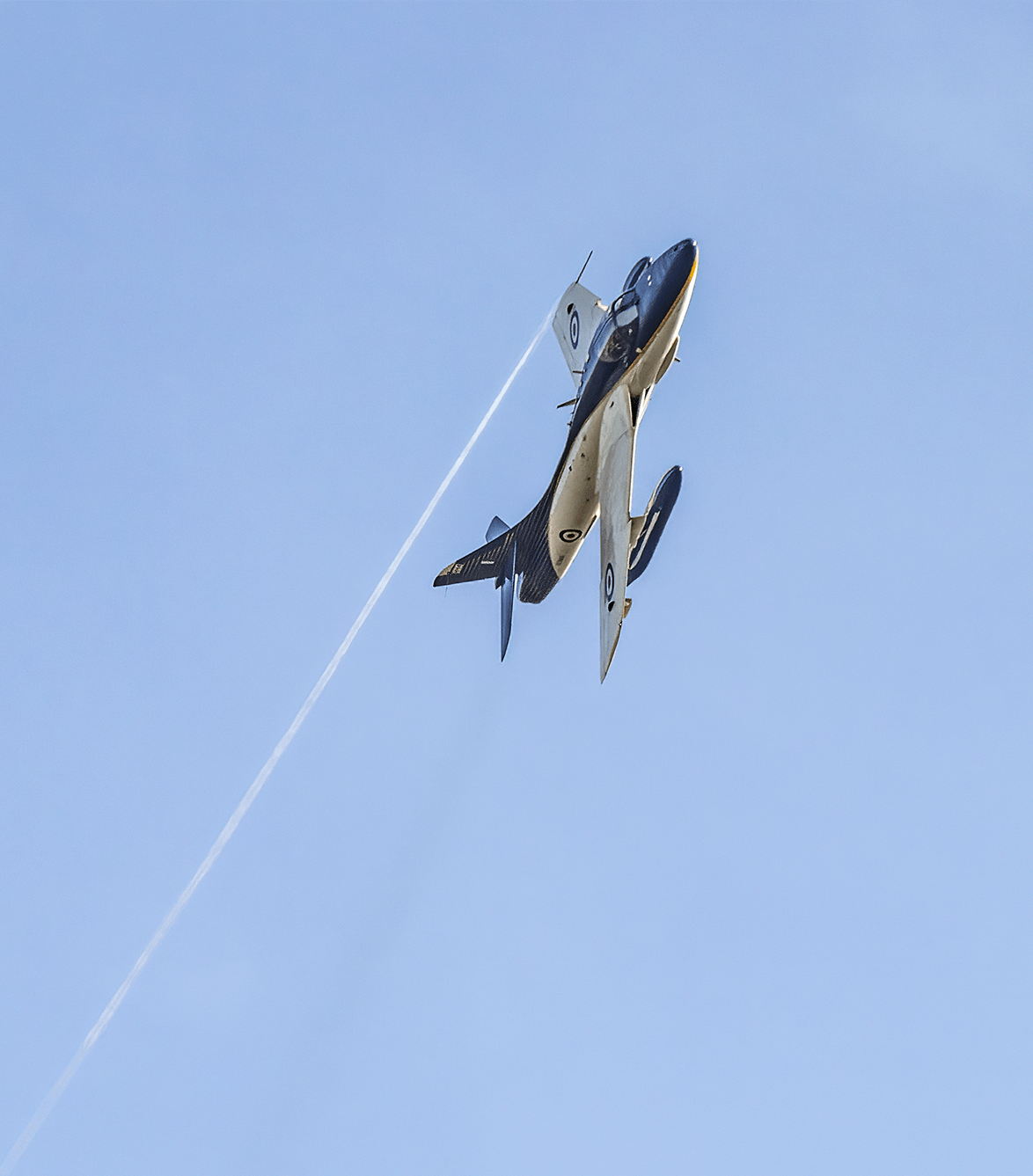
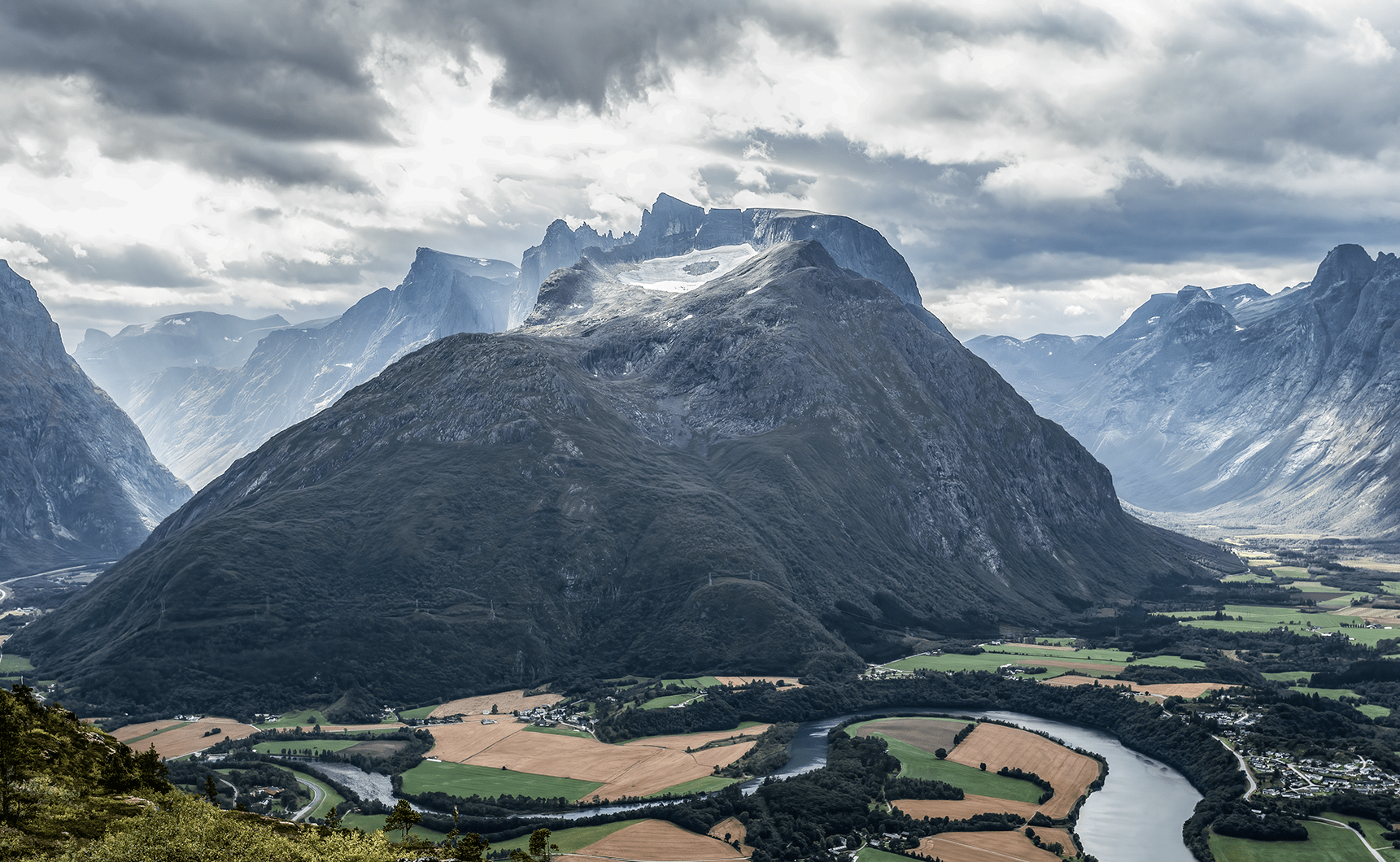
I don’t tend to plan my terrestrial photography, they consist of spontaneous events (like the passing of a low-flying jet) or things I see when travelling. One of the benefits of being a member of the Haddington Camera Club is participating in the professionally judged competitions. The many constructive criticisms that flow from the judging has been enormously helpful in guiding my aim and processing. But still a way to go yet!
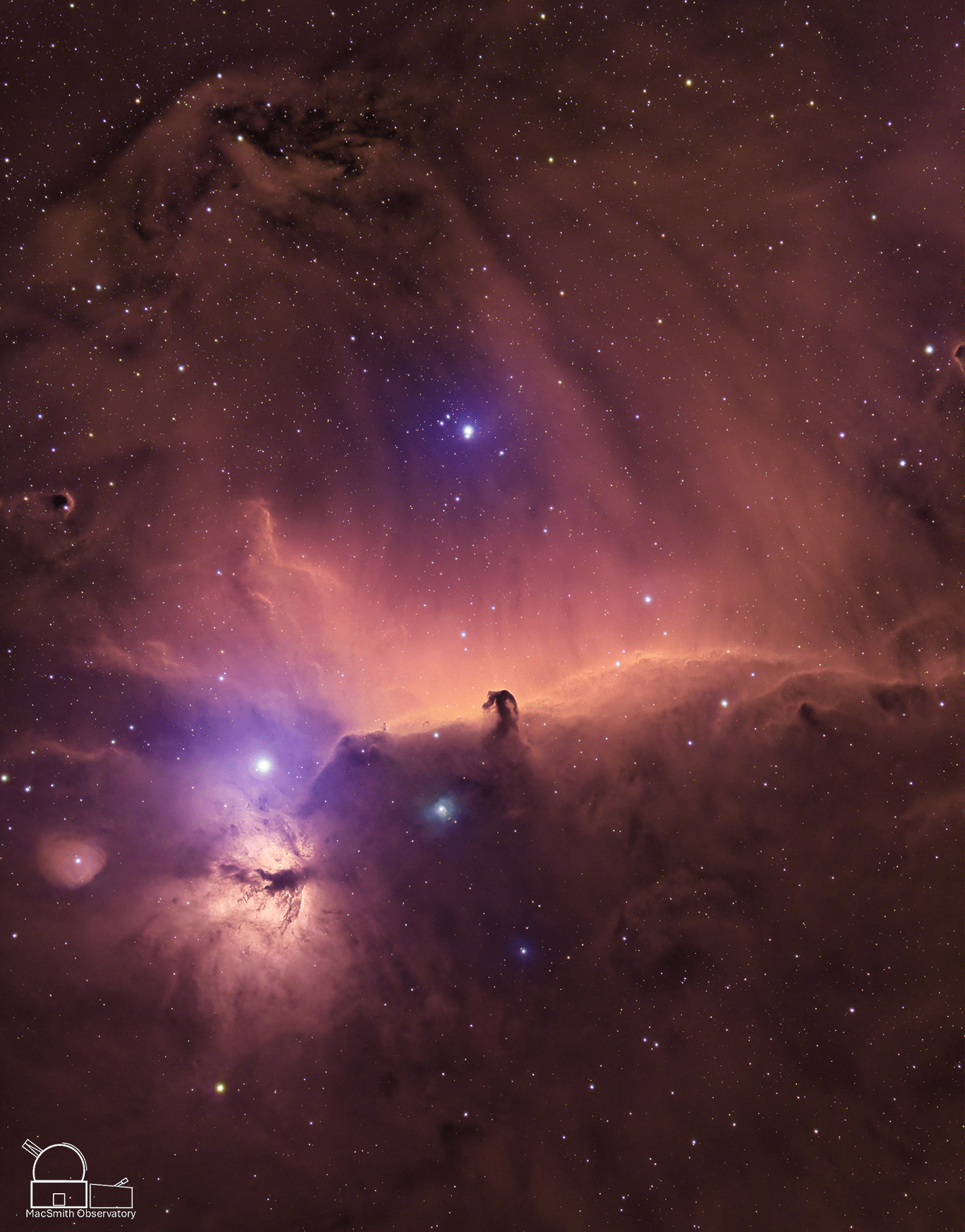
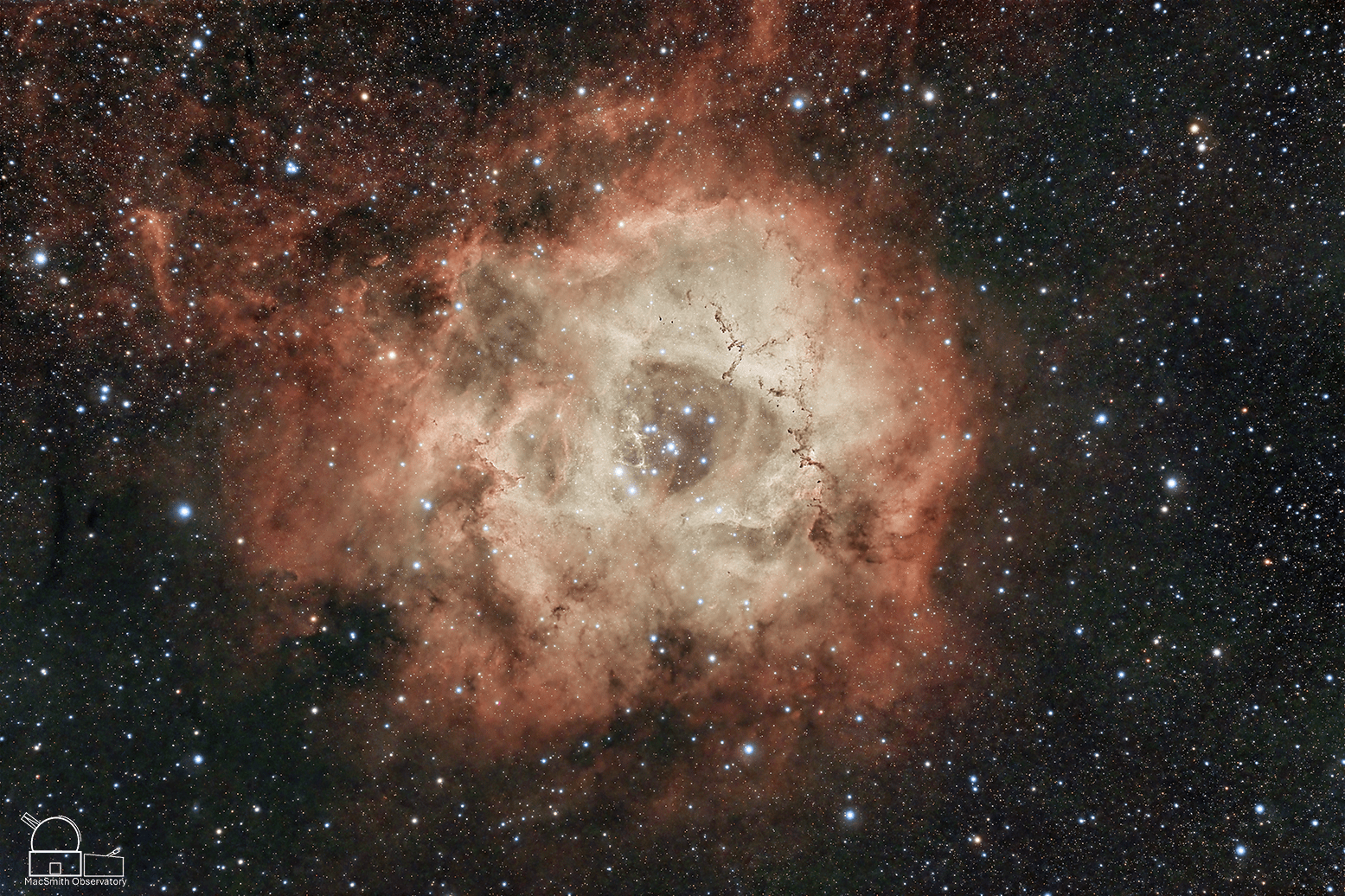
In the night sky though, my astrophotography is planned and each image can take a whole, or several, evenings to accumulate. Typically an astro image will consist of 50 to 100 images stacked together and for each of those images, the “shutter” has been open for 5 minutes. Incredibly, the equipment is able to maintain its pointing during those many hours to about one 7000th of a degree, routinely.
Some of my images are uploaded to my Flickr channel at https://www.flickr.com/iasmith
Please click on the images below to click into the gallery mode.